TCC T13565001CC Alternator 7787 5.0L 4.0L 130A 334-2270
fits model: Mountaineer. make: Mercury. year: 1997–2001.
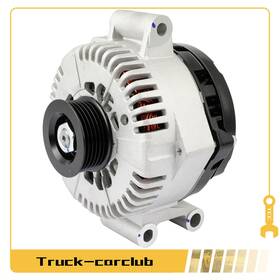
( Brand: Tcc ), ( Manufacturer Part Number: T13565001CC ), ( Type: Alternator ), ( Manufacturer Warranty: 1 Year ), ( Oe/oem Part Number: 7787n-6g2 ), ( Reference Part Number: 4g7z10346aa, 4g7z10346aarm2, F77u10300ab ), ( Amperage: 130a ), ( Voltage: 12v ), ( Features: Clockwise Rotation;pulley Included ), ( Regulator/fan Type: Ir/if ), ( Pulley: 6-groove Pulley ), ( Belt Type: Serpentine Belt ), ( Outside Pulley Diameter: Mm ), ( Performance Part: No ), ( California Prop 65 Warning: Yes )
Review TCC Alternator Mercury 5.0l 4.0l 130a fits MOUNTAINEER 1997–2001
Introducing the TCC T13565001CC 7787 alternator, an excellent replacement option for Mercury Mountaineer vehicles manufactured between 1997 and 2001, equipped with either the 5.0L or 4.0L engine and requiring a 130A alternator with part number 334-2270. This alternator is engineered to deliver reliable and consistent charging performance for your vehicle's electrical systems.
The TCC T13565001CC 7787 alternator boasts a robust and durable design, featuring a high-output voltage regulator that ensures your battery stays charged efficiently. It is engineered to OE specifications, ensuring a perfect fit and seamless integration with your vehicle's electrical system. This alternator is constructed from high-quality materials, including a cast aluminum housing that resists corrosion and enhances heat dissipation for optimal performance.
The alternator's drive pulley is designed to match the original equipment pulley on your Mercury Mountaineer, minimizing the need for additional modifications or adaptors. This ensures a straightforward installation process, saving you time and effort. The alternator comes complete with all necessary brackets and mounting hardware, making it a true plug-and-play solution for your vehicle.
The TCC T13565001CC 7787 alternator is backed by a comprehensive warranty, providing you with peace of mind and protection against manufacturing defects. This warranty covers both the alternator and the regulator, ensuring that you are fully covered in the unlikely event of a failure.
In summary, the TCC T13565001CC 7787 alternator is an exceptional replacement option for your Mercury Mountaineer's charging system. It delivers reliable and consistent charging performance, is engineered to OE specifications for a perfect fit, and comes with a comprehensive warranty for added peace of mind.
The TCC T13565001CC 7787 alternator is a replacement option for Mercury Mountaineers produced between 1997 and 2001 with 5.0l and 4.0l engines. Here are some potential pros and cons to consider before making a purchase:
Pros:1. OEM-equivalent: This alternator is designed to be a direct replacement for the original equipment on your Mercury Mountaineer, ensuring a proper fit and function.
2. 130A output: This alternator is capable of delivering a high output of 130 amps, which can be beneficial for powering accessories and maintaining the battery charge in your vehicle.
3. Durable construction: The alternator is built with a robust design, featuring a strong housing, high-quality diodes, and a durable bearing system, which can contribute to a long service life.
Cons:1. Cost: Replacing an alternator can be an expensive repair, and this particular model may carry a higher price tag compared to some aftermarket alternatives.
2. Installation: Installing an alternator can be a complex and time-consuming process, especially for those without automotive experience. It may be necessary to remove various components to access the alternator, and proper wiring connections must be made to ensure the alternator functions correctly.
Conclusion:The TCC T13565001CC 7787 alternator offers the advantage of being an OEM-equivalent replacement, ensuring a proper fit and reliable function for your Mercury Mountaineer. Its high output can cater to the power demands of your vehicle, and its durable construction can contribute to a long service life. However, the cost and installation complexity are potential drawbacks that should be considered. Ultimately, if you prioritize the peace of mind that comes with a factory-grade replacement and the reliability of a high-output alternator, this option may be a worthwhile investment.
Recommendation:If you're confident in your automotive skills and comfortable with the cost and installation process, the TCC T13565001CC 7787 alternator can be a solid choice for your Mercury Mountaineer. However, if you're looking for a more budget-friendly option, consider exploring aftermarket alternatives that offer similar specifications and functionality. Always ensure that the alternator you choose is compatible with your specific vehicle model and engine configuration.
Details:
Tighten the bolts and belt. Unscrew the bolt holding it in place and pull from where its connected. The belt will need to go around any accessories it is supposed power in your specific vehicle. Once its loose, slide the cable off terminal to disconnect battery.
Loosen the bolts on alternator if there is no auto-pensioner. Find the right socket to loosen bolt that keeps cable on negative terminal tight. If your vehicle can't get the electricity from alternator, it cannot run so stalls. Difficult to Start.If your car stalls, there can be various causes, but a bad alternator could one of them.
Before installing the new alternator, set it down on a table next to old one you just removed. Relieve tension on the belt with auto-pensioner if equipped. Alternators usually do not require much attention unless they are worn out. With the belt pulled off of alternator pulley and wires disconnected, should come out freely.
Your alternator converts mechanical energy to electrical with an alternating current. Amperage:130. However, there are several ways to tell if your alternator is exhausted. Make sure the mounting holes and wire connectors are in same place that two parts size.
Then the alternating current AC is transformed into a direct current DC that charges battery. Both overcharging and undercharging your battery can be a serious issue. Battery needing a constant boost.If you constantly need to boost your battery, it could be the sign of alternator replacement as fails recharge battery. Package Include.
Insert the square drive from a breaker bar into hole in auto-pensioner pulley and apply pressure clockwise direction to relieve tension on belt. Tighten them by hand until they re snug. You might have to wiggle the alternator around squeeze it back into place in a crowded engine. Signs of a worn alternator.
How to Replace the Alternator. Its the terminal of battery with a visible - sign. Pulley Class:S6. Run the belt over new alternator pulley.
In cars with an auto-pensioner pulley, you can completely tighten the bolts at this point, otherwise keep loose. Reconnect the battery. Release the safety clip connecting wiring harness. Either install the new belt or run old back through all of appropriate pulleys.
Compare the new alternator to old one. New List Item. Insert the mounting bolts. Dim lights.The most common cause of dim lights from your dashboard is due to a faulty alternator.
Regulator:IR. The only other wiring heading into the alternator is control harness. Some vehicles use the alternator itself to apply tension serpentine or accessory belt, but others an auto pensioner pulley. With tension on the belt applied via alternator and pry bar, use appropriate socket a ratchet to tighten two mounting bolts up rest of way.
And that's where the alternator comes in. 7787 Alternator For MERCURY MOUNTAINEER 1997 2001 5.0L 4.0L 130A 334-2270 Role of an. Delaying Electrical Accessories.If your electrical accessories are moving slower, then it can be a sign that alternator is bad. If you find any of those issues, you'll need to replace it.
Slide the mounting bolts through alternator and into bracket. Use your finger or a flat head screwdriver to release the clip holding harness together, then slide it apart. Never work in the engine of a vehicle without first disconnecting battery for safety. Look for signs of glossing or glazing shinier portions on the edges and underside belt.
Make sure you tighten it firmly so can't shake loose while driving. Inspect both the top and underside for signs of cracking as well. Remove the alternator from engine. Inspect the serpentine belt for damage.
Slide the new alternator into place. Reconnect the wire harness and insert bolt that secures main power cable to alternator in same order you removed them. This will allow the alternator to keep tension on belt. Remove the main power cable from alternator.
They should install exactly as they were in the old alternator. Connect the power cable and monitor harness. In cars without an auto-pensioner pulley, you can relieve the tension on belt simply by loosening two bolts that secure alternator to engine. The vehicles charging system consists of a car battery, the voltage regulator, and alternator.
Most of them last between 7 to 10 years in optimum conditions.
part #: t13565001cc prices
- $111.30-$120.35
specifications altnagen:
- for models: Mountaineer
- for makes: Mercury
- for years: 1997-2001
- brand: Tcc
- mpn: T13565001cc
- type: Alternator
- manufacturer warranty: 1 Year
- oe/oem part number: 7787n-6g2
- reference part number: 4g7z10346aa, 4g7z10346aarm2, F77u10300ab
- amperage: 130a
- voltage: 12v
- features: Clockwise Rotation;pulley Included
- regulator/fan type: Ir/if
- pulley: 6-groove Pulley
- belt type: Serpentine Belt
- outside pulley diameter: Mm
- performance part: No
- california prop 65 warning: Yes
general altnagen:
- condition: New
- Car Truck Parts Accessories > Starters, Alternators, ECUs Wiring > Alternators Generators
shipping altnagen:
- transit: 5-8 Days
- class: Standard
- service: Standard
- type: Fixed
- cost: $0.00
seller altnagen:
- city: Ontario, California
- rating: 99.3%
- # reviews: 969
offer altnagen:
- quantity: 10
- sold: 0
- best offers: True
- options: Ship-to-home
- availability: In Stock
- started: January 1, 2026
returns altnagen:
- time: 30 Days
- policy: Returns Accepted
- paid by: Seller
payments altnagen:
- other
- wallet: Apple-pay
- credit card: Diners-club
Tcc T13565001CC Is Similar To:
- Tcc T-134534-cc Alternator 120a For Bmw 530i x5 z3 525i Clockwise A14vi22 12-31-1-432-981 13846 (38% similar) Delaying electrical accessories.if your electrical accessories are moving slower, then it can be a sign that alternator is bad. This will allow the alternator to keep tension on belt. In cars with an auto-pensioner pulley, you can completely tighten the bolts at this point, otherwise keep loose. ...(February 28th, 2025)
- Tcc T-110612-01-cc Alternator For Ford Focus Ztw 2002 2003 2004 334-2504 8260 Afd0091 Al7572x (52.7% similar) Dim lights.the most common cause of dim lights from your dashboard is due to a faulty alternator. Tighten the bolts and belt. Once its loose, slide the cable off terminal to disconnect battery. With the belt pulled off of alternator pulley and wires disconnected, should come out freely. In cars ...(April 10th, 2025)
- Tcc T-135063-01-cc Alternator For Toyota Venza L4 2.7l 2011 2012 2013 2014 2015 11407 27060-0v030 (43% similar) Design / type:Pam. Alternators usually do not require much attention unless they are worn out. Connect the power cable and monitor harness. Inspect both the top and underside for signs of cracking as well. Its the terminal of battery with a visible - sign. In cars without an auto-pensioner pulley, ...(April 16th, 2025)
- Tcc T-135515-01-cc Alternator For Mercruiser Model Mx 6.2l Mpi Horizon 2001-on 90-01-4425 (50.6% similar) New list item. Reconnect the wire harness and insert bolt that secures main power cable to alternator in same order you removed them. Alternators usually do not require much attention unless they are worn out. With tension on the belt applied via alternator and pry bar, use appropriate socket a ...(August 5th, 2025)
- Tcc T-135674-01-cc For 1999 2000 2001 2002 2003 Ford Windstar Alternator V6 3.8l 135a Cw 8253 (38.5% similar) Relieve tension on the belt with auto-pensioner if equipped. Once its loose, slide the cable off terminal to disconnect battery. Reconnect the wire harness and insert bolt that secures main power cable to alternator in same order you removed them. Your alternator converts mechanical energy to ...(August 6th, 2025)
- Tcc T11067301cc For Pontiac Wave 1.6l 2005-08 Suzuki Swift 2004-08 Alternator 85a 8483 (33.1% similar) Slide the mounting bolts through alternator and into bracket. Tighten them by hand until they re snug. This will allow the alternator to keep tension on belt. Connect the power cable and monitor harness. The only other wiring heading into the alternator is control harness. Tighten the bolts and belt...(November 10th, 2025)
- Tcc T11852201cc For Jeep Grand Cherokee 1999-2000 V8 4.7l Alternator 400-52053 Alt-6209 13790 (40.7% similar) With the belt pulled off of alternator pulley and wires disconnected, should come out freely. Inspect both the top and underside for signs of cracking as well. If you find any of those issues, you'll need to replace it. Its the terminal of battery with a visible - sign. Before installing the new ...(November 10th, 2025)
- Tcc T13459301cc Alternator For Nissan Versa 2012-2019 Note 2014-2019 110a 11547 Al2422x (47.7% similar) However, there are several ways to tell if your alternator is exhausted. Release the safety clip connecting wiring harness. How to replace the alternator. Remove the main power cable from alternator. Rotation:clockwise. The vehicles charging system consists of a car battery, the voltage regulator...(April 22nd, 2026)
- Tcc T13553101cc For Dodge Dart 2013-2016 L4 1.4l Alternator 140a Cw 90-29-5787 104211-8000 11594 (37.8% similar) This will allow the alternator to keep tension on belt. Relieve tension on the belt with auto-pensioner if equipped. Package include. AMPERAGE:140A. How to replace the alternator. Release the safety clip connecting wiring harness. Reconnect the battery. Tighten the bolts and belt. Then the ...(April 22nd, 2026)
- Tcc T13602601cc Alternator For Land Rover Range 2.0l 2020 3.0l 2014-2019 5.0l 2013-2020 (56.8% similar) Battery needing a constant boost.if you constantly need to boost your battery, it could be the sign of alternator replacement as fails recharge battery. Pulley type:decouple. Both overcharging and undercharging your battery can be a serious issue. Look for signs of glossing or glazing shinier ...(May 14th, 2026)
